MiCA-licensed crypto exchanges: the full list for European investors (2026)





On July 1, 2026, the EU's Markets in Crypto-Assets regulation (MiCA) reached its final enforcement date. From that day, any crypto-asset service provider (CASP) serving EU clients without a full MiCA authorisation is operating illegally and must cease services.
The shakeout has been dramatic: before MiCA, more than 3,000 crypto service providers operated across Europe; only a small fraction made it through: as of August 2026, 324 firms are listed in the ESMA register of authorised CASPs.
This guide lists the major MiCA-licensed platforms available to European retail investors, who lost access, and how to verify a licence yourself.
Quick summary
Verify the current status of any platform in the ESMA interim MiCA register before depositing - authorisations and entities change.
How MiCA licensing works
MiCA requires every crypto exchange, broker, or custodian serving EU clients to obtain CASP authorisation from a national regulator. One licence passports across all 27 EU member states plus Iceland, Liechtenstein and Norway. Germany has issued the most licences (69 as of August 2026) through BaFin, followed by France (35) and the Netherlands (29). Notably, several countries - including Greece, Hungary, Poland and Romania - have still not issued a single MiCA licence.
Licensed platforms must comply with capital requirements, asset segregation, disclosure rules, and complaint-handling standards. That is the practical benefit for you: harmonised investor protections that simply do not apply on unlicensed venues.
For background on how European financial supervision fits together, see our guide to financial regulators in Europe.
The major licensed platforms in detail
eToro
One of the first platforms to obtain a MiCA licence, at the beginning of 2025. eToro's differentiator is breadth: crypto sits alongside stocks, ETFs and commodities in one regulated account (full analysis in our eToro review).
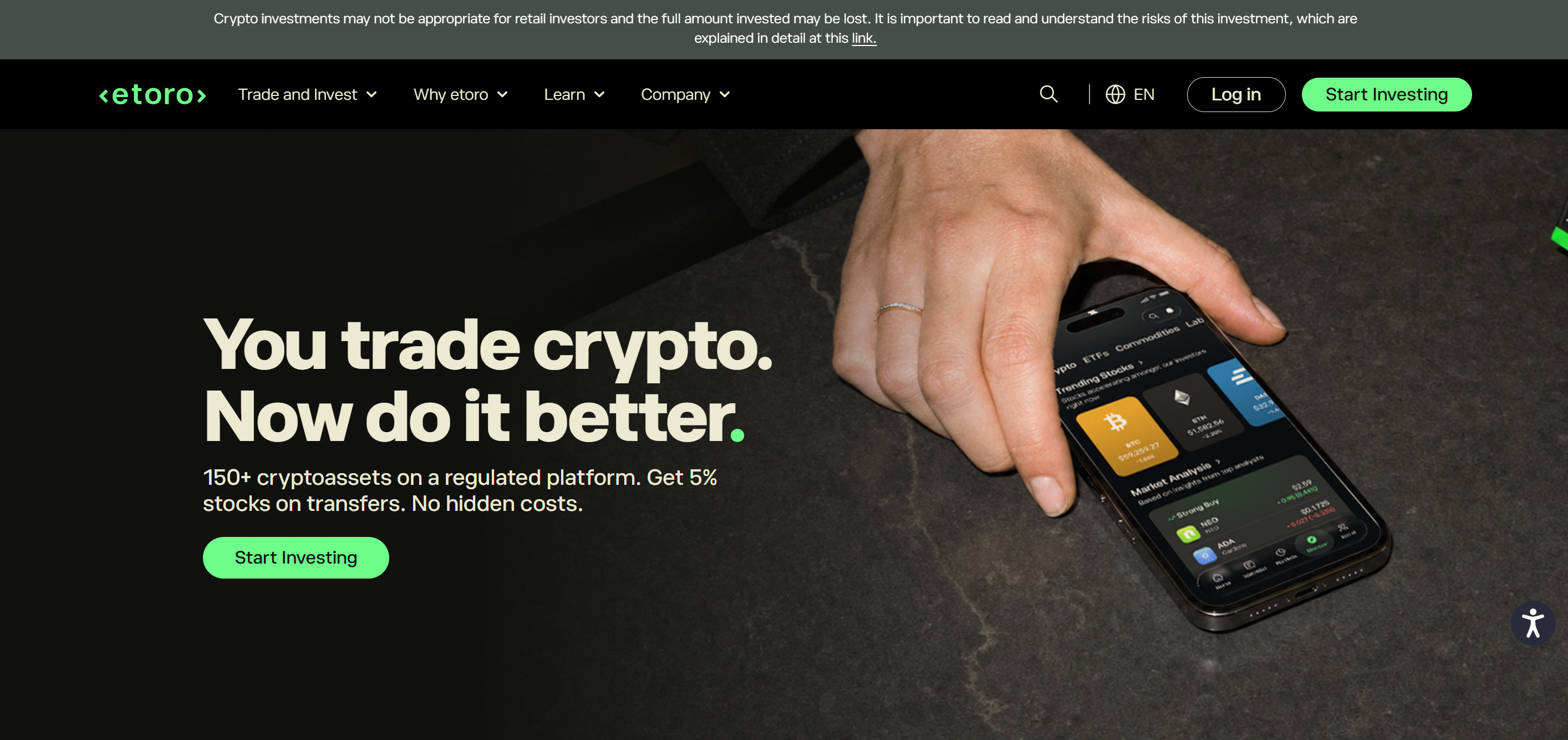
Through September 30, 2026, eToro is running a crypto transfer promotion: bring your crypto from another wallet or exchange and earn 5% cashback in stocks on eligible net deposits, up to $2,000 per month. A well-timed offer given how many investors are migrating from unlicensed platforms right now. T&Cs apply.
eToro is a multi-asset investment platform. The value of your investments may go up or down. Your capital is at risk.
OKX, Bybit.eu, KuCoin EU and Gate
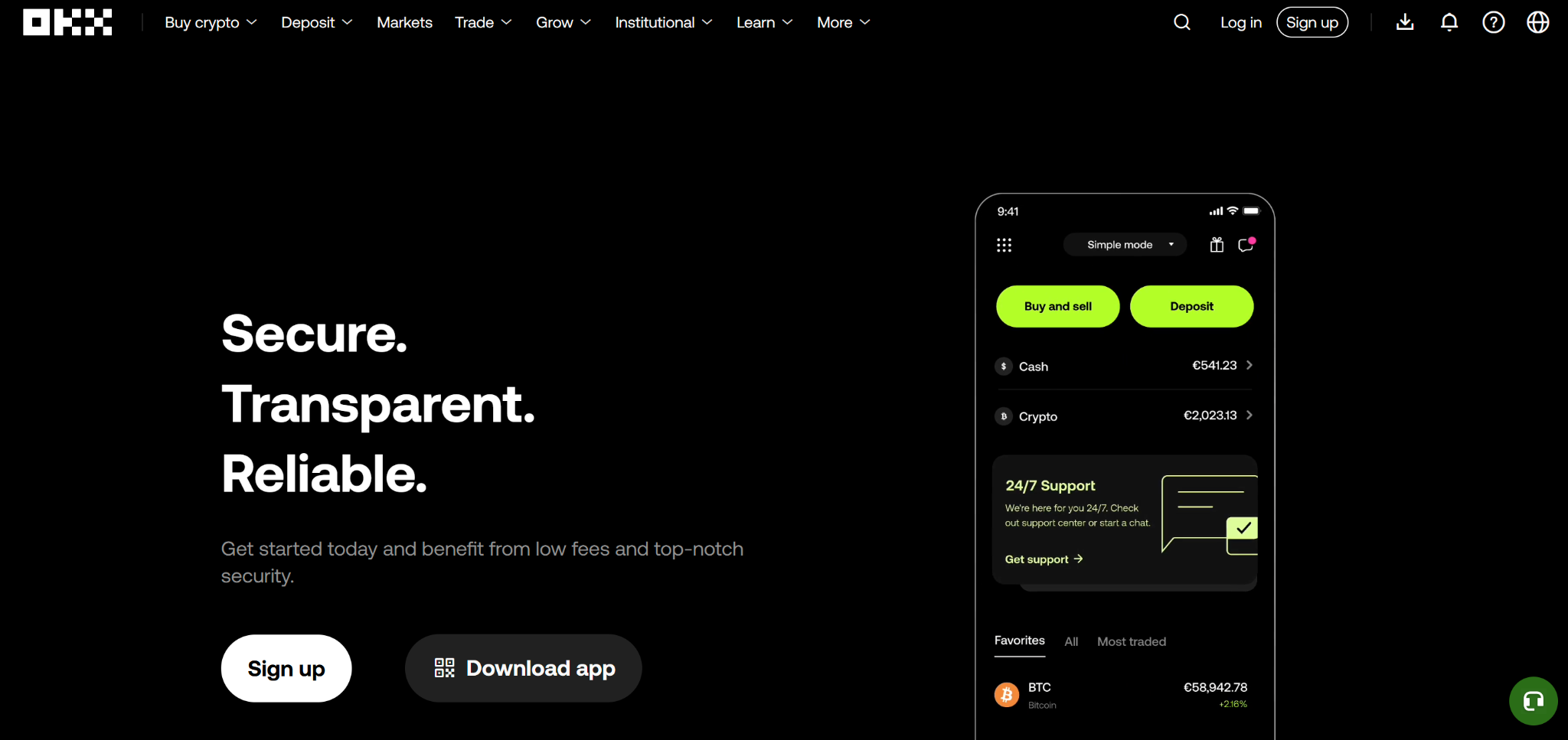
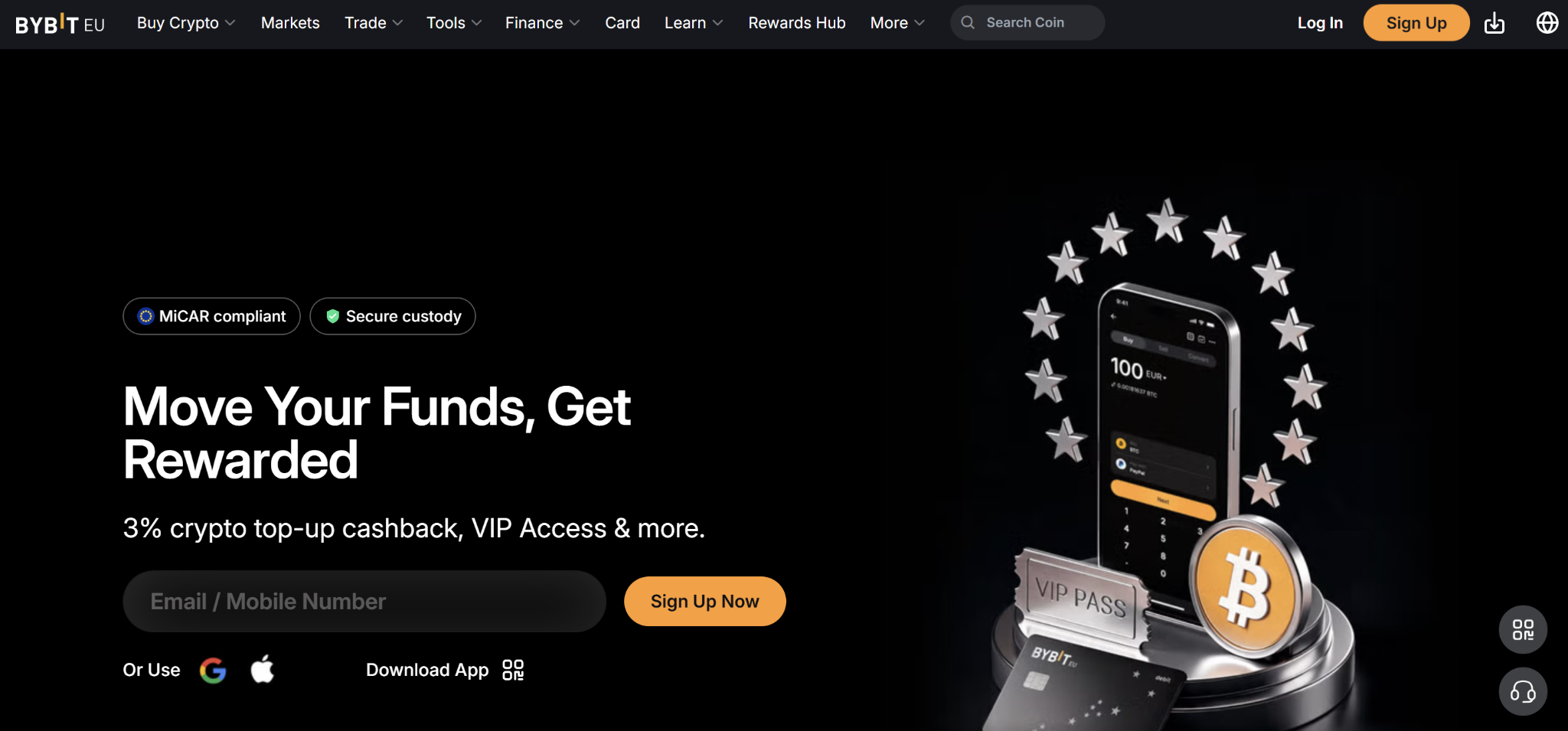
The large global exchanges that committed to Europe did so through dedicated EU entities: OKX and Gate in Malta, Bybit and KuCoin in Austria. Note that MiCA protections apply only to the authorised EU entity, not to other companies using the same global brand - your account must sit with the EU arm.
Coinbase
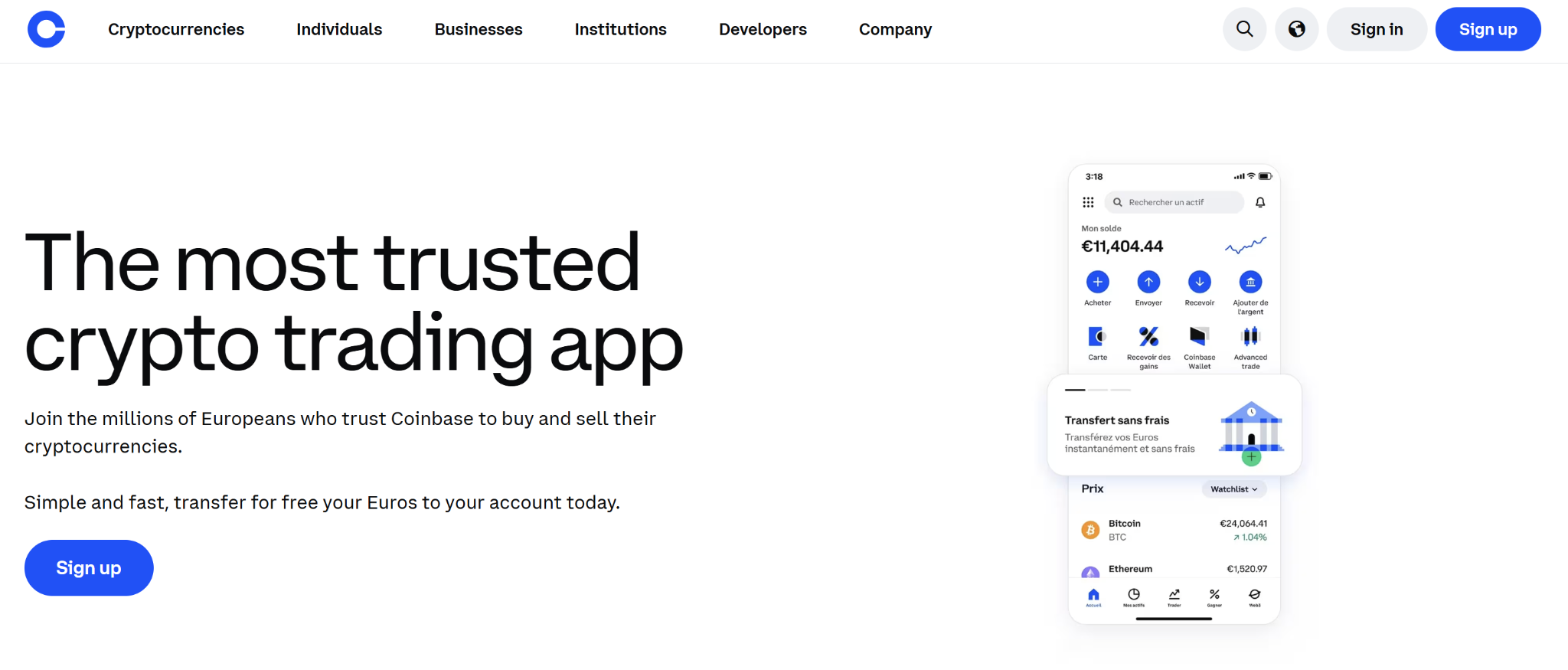
Coinbase confirmed Luxembourg as its MiCA home in June 2026, with authorisation from the CSSF. As a Nasdaq-listed company, it offers a level of transparency few competitors can match. Fees on the standard interface are on the high side; Coinbase Advanced brings them down considerably.
Kraken
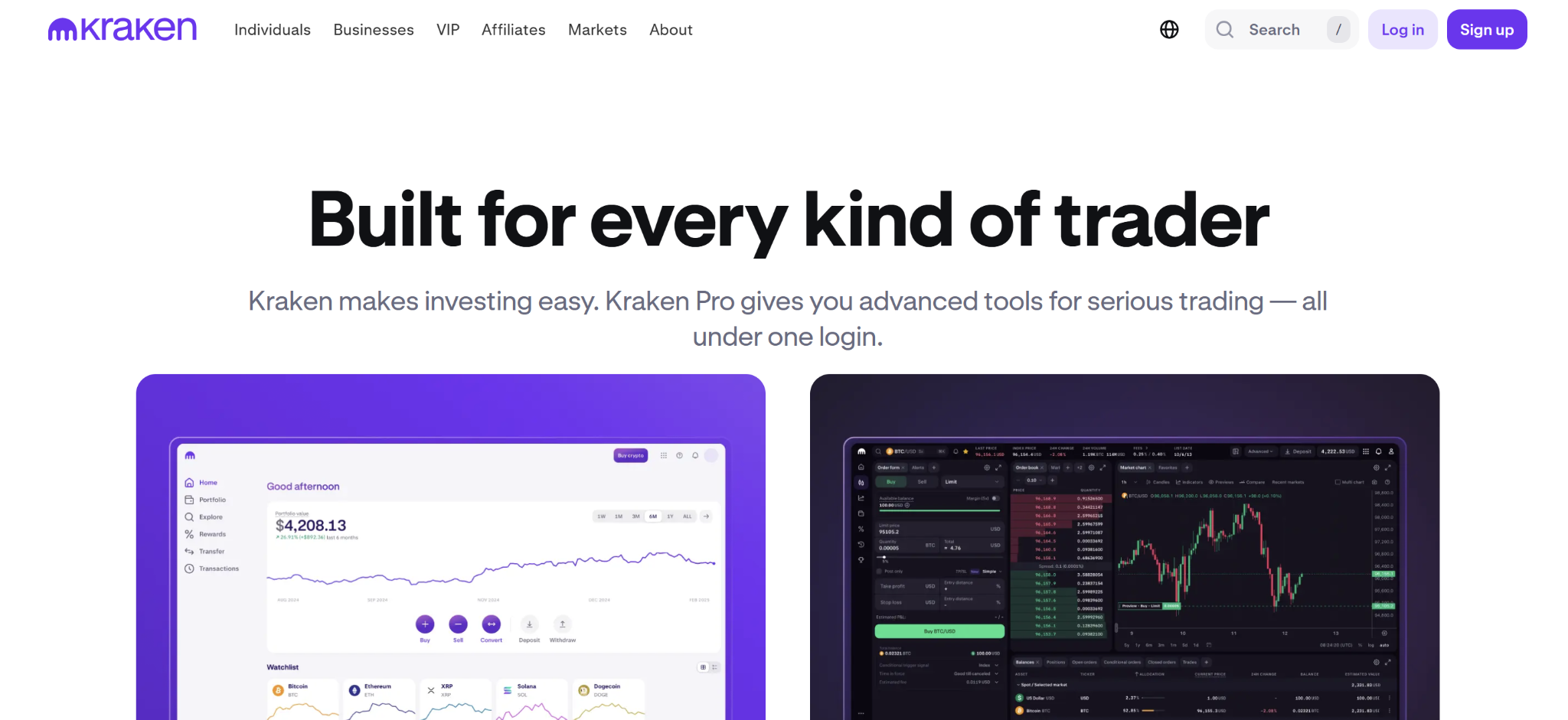
Licensed through the Central Bank of Ireland. Founded in 2011, Kraken combines deep liquidity, a strong security record (no major hack in its history) and advanced trading tools, making it the natural home for former Binance power users.
Bitvavo
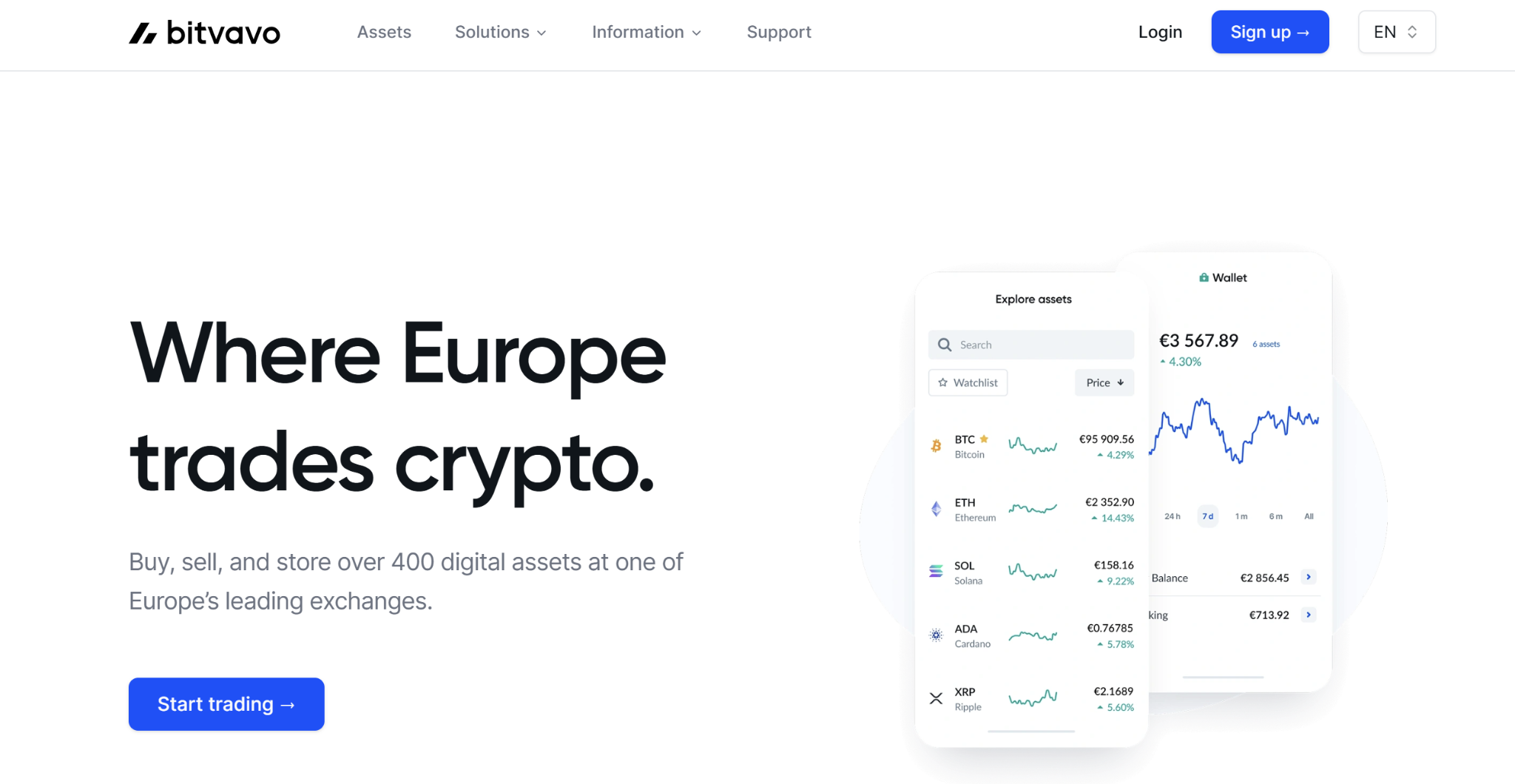
The Dutch AFM-licensed exchange is one of Europe's home-grown success stories, with maker/taker fees among the lowest of any licensed venue and a straightforward interface.
Bitstamp
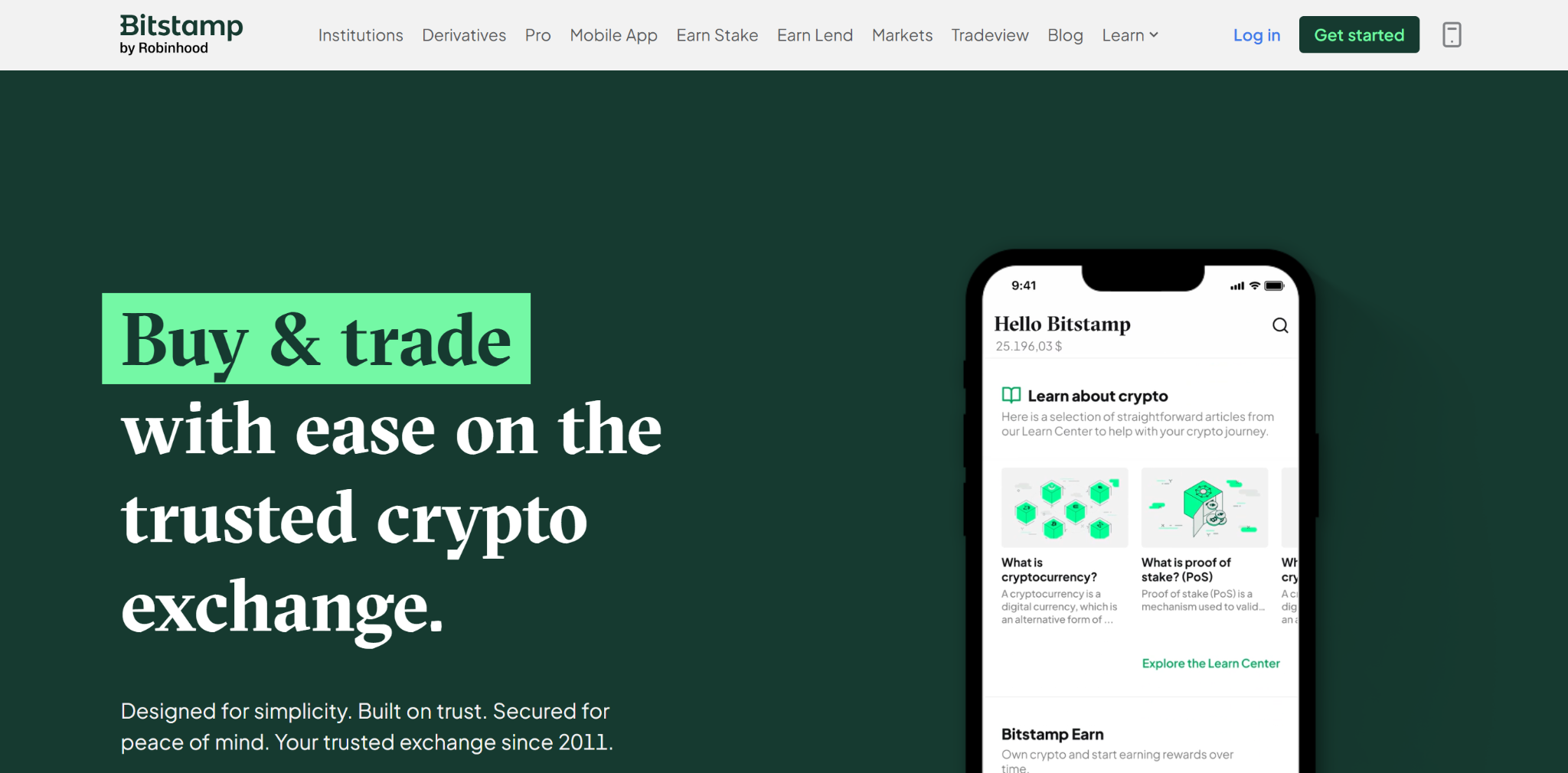
Founded in 2011 and now owned by Robinhood, Bitstamp holds its MiCA authorisation in Luxembourg and remains a conservative, compliance-first choice.
Bitpanda and Crypto.com
Both received authorisations early and offer beginner-friendly, app-first experiences. Bitpanda (Austria) extends into stocks, ETFs and precious metals; Crypto.com pairs its exchange with card and staking products.


Robinhood Europe
Robinhood Europe, UAB is authorised by the Bank of Lithuania as a financial brokerage firm and crypto-asset service provider (see our full Robinhood Europe review). New users in a limited number of jurisdictions can currently get up to €50 in crypto, with the cash value held for 180 days.

Who did not make it
- Binance withdrew its Greek MiCA application on June 21, 2026 and entered July without a licence. It says it will apply in another member state - full story in Is Binance still available in Europe?
- MEXC, HTX and Bitfinex made no public announcements about MiCA applications - silence that speaks for itself
- Gemini, despite holding MiCA and MiFID II authorisations, wound down its EEA retail operations in April 2026
- Tether declined to seek authorisation for USDT, which has been delisted from licensed European venues.
- Dozens of smaller platforms quietly geoblocked EU IP addresses in the weeks before the deadline
How to check a licence yourself
- Go to the ESMA interim MiCA register
- Search the exact legal entity name, not just the brand
- Confirm the authorisation covers the services you need (trading, custody, exchange)
- Check your national regulator's warning list as a second layer
If a platform does not appear in the register, assume it cannot legally serve you - regardless of what its website says.
Bottom line
MiCA has consolidated the European crypto market around a shorter list of well-capitalised, regulated platforms. The licensed venues already handled an estimated 95% of EU transaction volume before the deadline, so for most investors the practical change is simple: verify your platform is on the list above, and if it is not, move. For a broader comparison of features and fees, see our guide to the best crypto exchanges in Europe.
This article is for informational purposes only and does not constitute financial advice. Crypto assets are highly volatile; you may lose the money you invest.